Harper Griffin · 10 October 2026
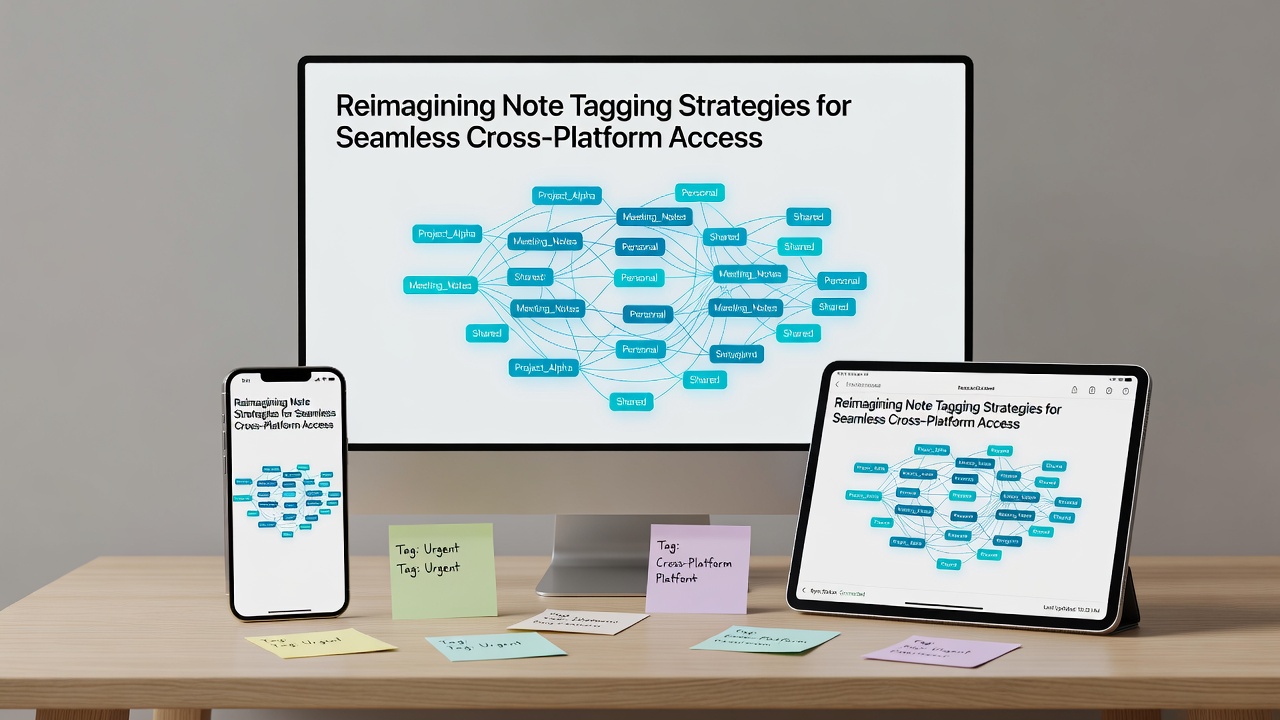
Reimagining Note Tagging Strategies for Seamless Cross-Platform Access
Modern note-taking environments rely on tagging systems that allow users to retrieve information quickly across devices, yet many organizations still encounter fragmentation when moving between operating systems and applications. Data from various industry reports shows that professionals handle an average of five different platforms daily, which makes consistent tagging essential for maintaining workflow continuity. Researchers at academic institutions have documented how inconsistent label structures lead to retrieval delays that compound over time, especially in collaborative settings where multiple contributors edit the same files.
Current State of Tagging Practices
Traditional keyword tags often remain tied to single applications, creating barriers when files transfer to new environments. Observers note that systems built around flat lists perform adequately for small collections, but they scale poorly once note volumes exceed several thousand entries. Studies from European research centers indicate that hierarchical tagging, combined with metadata fields for dates and project codes, improves search accuracy by measurable percentages across tested groups. Those who have analyzed usage patterns find that adding context layers such as location stamps or version indicators further reduces duplication errors during synchronization cycles.
Challenges in Achieving Cross-Platform Consistency
Platform-specific constraints frequently alter how tags render or function after transfer. For instance, certain mobile operating systems truncate long tag strings, while desktop clients preserve full hierarchies without issue. Figures released by standards bodies reveal that nearly forty percent of data loss incidents in note systems trace back to incompatible label formats rather than outright file corruption. Experts have observed that users who rely solely on built-in application tags encounter repeated conflicts during migrations between cloud services, particularly when one platform enforces case sensitivity and another does not. In response, some teams adopt external mapping tools that convert tags into neutral formats before each transfer.
Emerging Strategies for Unified Access
One approach gaining traction involves embedding tags within open metadata schemas that travel alongside the note content itself. This method allows any compatible reader to interpret labels without depending on the originating software. Data shows that organizations implementing such schemas report faster onboarding for new team members because search remains functional regardless of the interface chosen. Another technique centers on dynamic tag generation through pattern recognition, where algorithms suggest additional labels based on content analysis performed at the time of creation. Those who have examined pilot programs note measurable improvements in recall rates when suggestions draw from both user history and shared team vocabularies.
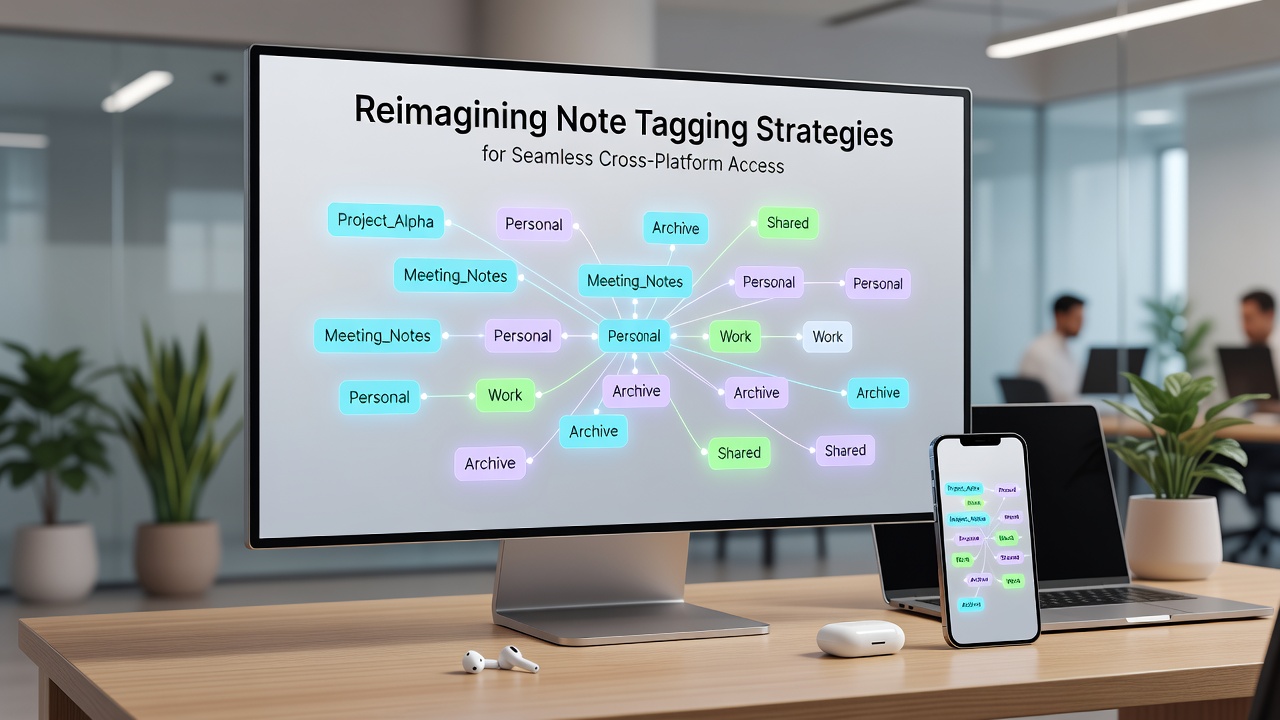
Integration with calendar and task management systems provides further refinement. Tags that automatically inherit attributes from linked events reduce manual entry while preserving context across platforms. Research indicates that such linkages cut down on orphaned notes that lose relevance once separated from their original timelines. In October 2026 the International Digital Standards Consortium plans to publish updated recommendations on portable metadata structures, which many developers already cite as a reference point for upcoming application updates.
Implementation Examples Across Sectors
Educational institutions have tested combined tagging and linking protocols to manage research notes shared among faculty using different university systems. Results demonstrate that standardized prefix conventions, such as course codes followed by topic descriptors, allow seamless filtering during joint projects. Corporate environments report similar outcomes when legal teams adopt jurisdiction-based tags that remain intact through document handoffs between regional offices. Government agencies in multiple countries have begun exploring these methods for internal knowledge bases, citing reduced retrieval times in compliance audits as a primary benefit.
Technical Considerations and Standards
Developers building cross-platform solutions often reference protocols established by bodies focused on data portability. These protocols encourage separation of content from presentation layers so that tags function independently of visual formatting. According to analyses published through academic channels, systems that enforce tag normalization at the storage level experience fewer conflicts during export operations. Yet implementation requires careful mapping of existing vocabularies to prevent unintended merging of distinct concepts during the conversion process.
Conclusion
Reimagining note tagging requires attention to both structural design and transfer mechanisms that keep labels functional across environments. Evidence from ongoing deployments confirms that layered approaches combining hierarchy, metadata, and external mapping deliver reliable access regardless of the devices involved. As new guidelines emerge in late 2026, teams that adopt compatible frameworks now position themselves to integrate updates with minimal disruption to existing workflows.